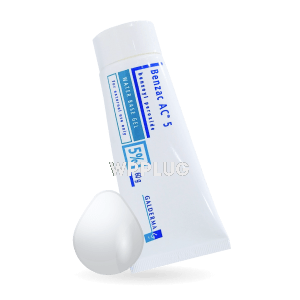
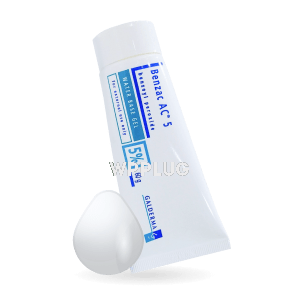
Benzoyl
BENZOYL is used on the skin to treat mild to moderate acne
| Product dosage: 20g | |||
|---|---|---|---|
| Package (num) | Per tube | Price | Buy |
| 2 | 38.61 $ | 77.22 $ (0%) | 🛒 Add to cart |
| 3 | 33.93 $ | 115.83 $ 101.79 $ (12%) | 🛒 Add to cart |
| 4 | 30.42 $ | 154.44 $ 121.68 $ (21%) | 🛒 Add to cart |
| 5 | 26.91 $ | 193.05 $ 134.55 $ (30%) | 🛒 Add to cart |
| 6 | 23.40 $ | 231.66 $ 140.40 $ (39%) | 🛒 Add to cart |
| 7 | 21.73 $ | 270.27 $ 152.10 $ (44%) | 🛒 Add to cart |
| 8 | 20.62 $ | 308.88 $ 164.97 $ (47%) | 🛒 Add to cart |
| 9 | 19.37 $ | 347.49 $ 174.33 $ (50%) | 🛒 Add to cart |
| 10 | 17.78 $
Best per tube | 386.10 $ 177.84 $ (54%) | 🛒 Add to cart |
Synonyms | |||
Similar products
Benzoyl Peroxide: Clinically Proven Acne Treatment
Benzoyl peroxide is a first-line topical antimicrobial and keratolytic agent widely recognized in dermatological practice for its efficacy in managing mild to moderate acne vulgaris. As an over-the-counter and prescription treatment, it functions through potent antibacterial action against Cutibacterium acnes (formerly Propionibacterium acnes), reduction of free fatty acids, and comedolytic properties. Its mechanism involves the release of active oxygen, which oxidizes bacterial proteins and promotes desquamation of the stratum corneum, thereby unclogging pores and preventing new lesion formation. Supported by decades of clinical evidence, benzoyl peroxide remains a cornerstone in acne therapy regimens for both adolescents and adults.
Features
- Available in concentrations of 2.5%, 5%, and 10% in various formulations (gel, cream, wash, lotion)
- Exhibits bactericidal, anti-inflammatory, and mild drying effects
- Oil-free, non-comedogenic base in most commercial preparations
- Often combined with clindamycin, adapalene, or hydrocortisone for enhanced efficacy
- Rapid onset of action, with visible improvement typically within 2–4 weeks of consistent use
Benefits
- Significantly reduces inflammatory and non-inflammatory acne lesions
- Decreases bacterial colonization and mitigates risk of antibiotic resistance
- Prevents formation of new comedones through exfoliative action
- Suitable for long-term maintenance therapy with minimal tolerance development
- Available in multiple formulations to accommodate different skin types and preferences
- Cost-effective compared to many prescription alternatives
Common use
Benzoyl peroxide is primarily indicated for the treatment of acne vulgaris, including both comedonal (whiteheads and blackheads) and inflammatory (papules and pustules) lesions. It is also used off-label for folliculitis, rosacea (in combination therapies), and as a preoperative skin disinfectant. Dermatologists frequently incorporate it into combination regimens with topical retinoids, antibiotics, or systemic treatments for moderate to severe acne.
Dosage and direction
Apply a thin layer to affected areas once or twice daily, or as directed by a healthcare provider. Begin with lower concentrations (2.5–5%) to assess tolerance, gradually increasing as needed. For wash formulations, apply to damp skin, lather gently for 10–20 seconds, rinse thoroughly, and pat dry. Avoid contact with eyes, lips, mucous membranes, and broken skin. Use sunscreen during daytime application due to potential photosensitivity.
Precautions
- Conduct a patch test before full application to check for hypersensitivity
- May bleach hair, fabrics, and colored surfaces; allow product to dry completely before contact
- Not recommended for use with other potentially irritating agents (e.g., alcohol-based toners, abrasive scrubs) unless supervised by a clinician
- Discontinue if severe irritation, swelling, or blistering occurs
- Pregnancy Category C; use only if potential benefit justifies potential risk
Contraindications
Hypersensitivity to benzoyl peroxide or any component of the formulation. Not for use in patients with a history of contact dermatitis to peroxides. Avoid in cases of severe cystic or nodular acne without medical supervision.
Possible side effects
Common: dryness, erythema, peeling, and mild stinging or burning (usually transient).
Less common: allergic contact dermatitis, pruritus, edema, and skin discoloration.
Rare: paradoxical acne flare, severe irritation, or hypersensitivity reactions.
Drug interaction
May inactivate topical tretinoin if applied simultaneously; separate application by several hours. Potential interactions with sulfa-containing drugs, leading to increased skin sensitivity. Use caution with other topical acne medications to avoid cumulative irritation.
Missed dose
Apply as soon as remembered unless close to the next scheduled dose. Do not double apply.
Overdose
Excessive application may cause severe erythema, scaling, pain, or blistering. Treatment is supportive: discontinue use, gently cleanse area, and apply emollients. Seek medical attention if symptoms persist or worsen.
Storage
Store at room temperature (15–30°C). Keep tube or bottle tightly closed. Protect from light and excessive heat. Do not freeze.
Disclaimer
This information is for educational purposes and does not replace professional medical advice. Consult a healthcare provider for diagnosis and personalized treatment recommendations. Individual results may vary.
Reviews
“Consistently effective for my patients with inflammatory acne. The 2.5% formulation offers efficacy with minimal irritation.” — Dermatologist, 12 years of experience
“Integral to my acne treatment protocols. Patients appreciate the rapid reduction in pustules and blackheads.” — Clinical esthetician
“Superior to salicylic acid for moderate acne. The wash formulation is particularly useful for adolescents.” — Pediatrician