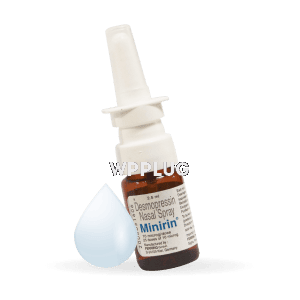
DDAVP spray
| Product dosage: 10mcg 2.5ml | |||
|---|---|---|---|
| Package (num) | Per sprayer | Price | Buy |
| 1 | 74.88 $ | 74.88 $ (0%) | 🛒 Add to cart |
| 2 | 67.27 $ | 149.76 $ 134.55 $ (10%) | 🛒 Add to cart |
| 3 | 64.35 $ | 224.64 $ 193.05 $ (14%) | 🛒 Add to cart |
| 4 | 62.01 $ | 299.52 $ 248.04 $ (17%) | 🛒 Add to cart |
| 8 | 60.25 $
Best per sprayer | 599.04 $ 482.04 $ (20%) | 🛒 Add to cart |
Synonyms | |||
DDAVP Spray: Advanced Vasopressin Therapy for Central Diabetes Insipidus
DDAVP Spray (desmopressin acetate) is a high-potency synthetic analog of vasopressin, engineered for precise nasal administration in the management of central diabetes insipidus. It functions by mimicking the action of the natural antidiuretic hormone, effectively reducing urinary output and alleviating profound thirst. This formulation is designed for reliable absorption through the nasal mucosa, offering a non-invasive yet potent therapeutic option. It represents a cornerstone of treatment for patients with deficient endogenous vasopressin production.
Features
- Contains desmopressin acetate as the active pharmaceutical ingredient
- Delivers 10 mcg of desmopressin per metered spray
- Supplied in a multi-dose nasal spray pump bottle
- Designed for precise intranasal administration
- Rapid onset of action with effects lasting 8–12 hours per dose
- Stable at room temperature before opening; requires refrigeration thereafter
Benefits
- Effectively controls polyuria and polydipsia in central diabetes insipidus
- Enables restoration of normal daily fluid balance and sleep patterns
- Reduces risk of dehydration and electrolyte imbalances
- Provides predictable and prolonged antidiuretic effect
- Non-invasive nasal delivery avoids needles and gastrointestinal degradation
- Improves overall quality of life by managing disruptive urinary symptoms
Common use
DDAVP Spray is primarily indicated for the treatment of central (cranial) diabetes insipidus, a condition characterized by the inability to concentrate urine due to a deficiency of vasopressin. It is used in both adult and pediatric populations (with appropriate dosing adjustments) to manage excessive thirst and urination. It may also be utilized in the diagnostic workup for diabetes insipidus and, off-label, for managing nocturnal enuresis in specific cases under specialist supervision.
Dosage and direction
The dosage must be individualized based on patient response, urine output, and serum sodium levels. Initiate therapy with one spray (10 mcg) administered into one nostril, typically at bedtime. Dosage may be titrated upward to two sprays if necessary, divided between nostrils. Administration should be performed with the patient in a sitting position, gently inserting the nozzle into the nostril and depressing the pump firmly. Avoid deep inhalation during administration. The timing of doses should be adjusted to control nocturia while avoiding daytime fluid retention.
Precautions
Monitor serum sodium levels periodically, especially during initiation and dose changes, to avoid hyponatremia. Use caution in patients with conditions predisposing to fluid overload, such as congestive heart failure or hypertension. Nasal congestion, rhinitis, or upper respiratory infections may impair absorption; consider alternative formulations (e.g., tablet or injectable) during such episodes. Elderly patients and children require careful dose titration due to increased susceptibility to hyponatremia.
Contraindications
DDAVP Spray is contraindicated in patients with known hypersensitivity to desmopressin acetate or any component of the formulation. It must not be used in individuals with moderate to severe renal impairment (creatinine clearance below 50 mL/min) or in cases of hyponatremia. Avoid use in patients with syndrome of inappropriate antidiuretic hormone secretion (SIADH).
Possible side effect
Common adverse reactions include headache, nausea, mild abdominal cramps, and nasal discomfort or irritation. Hyponatremia and water intoxication may occur with excessive dosing or fluid intake; symptoms include headache, nausea, vomiting, weight gain, and in severe cases, seizures or coma. Allergic reactions, though rare, may present as rash, itching, or facial swelling. Nasal ulceration or congestion has been reported with chronic use.
Drug interaction
Concomitant use with other medications that increase the risk of water retention or hyponatremia—such as SSRIs, tricyclic antidepressants, carbamazepine, or chlorpromazine—should be approached with caution. Glucocorticoids may reduce the antidiuretic effect of desmopressin. NSAIDs may potentiate the risk of water retention and hyponatremia. Always review the patient’s full medication list before initiation.
Missed dose
If a dose is missed, administer it as soon as remembered unless it is nearly time for the next dose. Do not double the dose to make up for a missed one. Adjust fluid intake and monitor urine output until the next scheduled administration. Consistent timing is important to maintain therapeutic effect and avoid breakthrough symptoms.
Overdose
Overdose may lead to water intoxication and hyponatremia, manifesting as drowsiness, listlessness, headache, nausea, vomiting, and weight gain. In severe cases, seizures, coma, or respiratory arrest may occur. Treatment involves discontinuation of DDAVP, fluid restriction, and symptomatic management. In acute hyponatremia, hypertonic saline may be administered under careful medical supervision with frequent monitoring of electrolytes.
Storage
Store unopened bottle at controlled room temperature (20–25°C). After initial use, refrigerate between 2–8°C; do not freeze. Keep the bottle upright and protected from light. Discard 30 days after first use, even if medication remains. Keep out of reach of children and pets.
Disclaimer
This information is intended for educational purposes and does not replace professional medical advice, diagnosis, or treatment. Always consult a qualified healthcare provider for personalized recommendations. Dosage and suitability must be evaluated by a physician based on individual patient factors. Do not initiate or adjust therapy without medical supervision.
Reviews
Clinical studies and long-term use support the efficacy and tolerability of DDAVP Spray in managing central diabetes insipidus. Patients report significant improvement in quality of life, reduction in nocturia, and better sleep patterns. Some users note nasal irritation or variable absorption during colds. Overall, it is regarded as a reliable and effective formulation when used as directed under medical supervision.