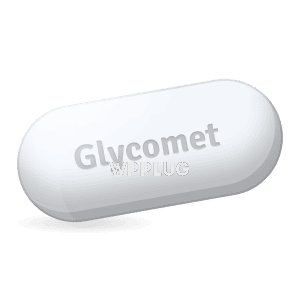
Glycomet SR
| Product dosage: 1000 mg | |||
|---|---|---|---|
| Package (num) | Per pill | Price | Buy |
| 60 | 1.05 $ | 63.18 $ (0%) | 🛒 Add to cart |
| 90 | 0.97 $
Best per pill | 94.77 $ 87.75 $ (7%) | 🛒 Add to cart |
Synonyms
| |||
Glycomet SR: Advanced Sustained-Release Metformin for Optimal Glycemic Control
Glycomet SR is a sustained-release formulation of metformin hydrochloride, designed to provide consistent and prolonged glycemic management in patients with type 2 diabetes. As a cornerstone of oral antidiabetic therapy, it works primarily by decreasing hepatic glucose production and improving insulin sensitivity. This advanced delivery system ensures a steady release of medication, reducing peak-trough fluctuations and enhancing patient compliance through once-daily dosing.
Features
- Contains metformin hydrochloride in sustained-release tablets
- Available in 500 mg and 1000 mg strengths
- Designed for gradual drug release over 8–10 hours
- Film-coated for ease of swallowing and gastrointestinal tolerance
- Formulated to minimize immediate gastrointestinal side effects
Benefits
- Provides consistent 24-hour glycemic control with once-daily dosing
- Reduces fasting and postprandial blood glucose levels effectively
- Lowers HbA1c by approximately 1–2% in most patients
- May support modest weight loss or weight neutrality compared to other antidiabetics
- Decreases risk of diabetes-related complications through sustained metabolic management
- Improves insulin sensitivity without stimulating insulin secretion
Common use
Glycomet SR is indicated as monotherapy or in combination with other antidiabetic agents (including insulin) for the management of type 2 diabetes mellitus in adults, particularly when adequate glycemic control is not achieved with diet and exercise alone. It is especially suitable for patients who experience gastrointestinal discomfort with immediate-release metformin formulations.
Dosage and direction
The usual starting dose is 500 mg once daily with the evening meal, which may be gradually increased based on glycemic response and tolerance. The maximum recommended dose is 2000 mg once daily. Tablets should be swallowed whole and not crushed, chewed, or divided. Dosage adjustments are necessary in patients with renal impairment (eGFR <45 mL/min/1.73m² is generally a contraindication). Titration should occur at weekly intervals to minimize gastrointestinal adverse effects.
Precautions
- Renal function should be assessed before initiation and annually thereafter
- Avoid use in conditions predisposing to renal impairment (dehydration, sepsis, shock)
- Temporarily discontinue prior to iodinated contrast imaging procedures
- Monitor vitamin B12 levels periodically during long-term therapy
- Use caution in elderly patients and those with hepatic impairment
- Educate patients about recognizing symptoms of lactic acidosis
Contraindications
- Severe renal impairment (eGFR <30 mL/min/1.73m²)
- Acute or chronic metabolic acidosis, including diabetic ketoacidosis
- History of hypersensitivity to metformin or any component of the formulation
- Acute conditions predisposing to renal dysfunction (dehydration, severe infection)
- Acute or chronic disease which may cause tissue hypoxia (e.g., cardiac or respiratory failure)
- Excessive alcohol intake
Possible side effects
- Gastrointestinal: nausea, vomiting, diarrhea, abdominal discomfort (usually transient)
- Metallic taste
- Lactic acidosis (rare but serious; symptoms include malaise, myalgia, respiratory distress)
- Vitamin B12 deficiency with long-term use
- Hypoglycemia (particularly when used with other antidiabetic agents)
- Skin reactions such as erythema or urticaria
Drug interaction
- Cationic drugs (e.g., amiloride, digoxin, morphine, procainamide, quinidine, quinine, ranitidine, triamterene, trimethoprim, vancomycin) may increase metformin levels
- Alcohol potentiates both the glycemic effects and risk of lactic acidosis
- Glucocorticoids, diuretics, and sympathomimetics may reduce hypoglycemic effect
- Iodinated contrast media increase risk of lactic acidosis
- Warfarin monitoring may be required as metformin can potentiate its effects
Missed dose
If a dose is missed, it should be taken as soon as remembered unless it is almost time for the next scheduled dose. Do not double the dose to make up for a missed one. Maintain regular dosing schedule with meals to optimize gastrointestinal tolerance.
Overdose
Hypoglycemia has not been reported with metformin overdose alone but may occur when combined with other antidiabetic agents. Lactic acidosis is the primary concern in overdose situations, characterized by acidotic breathing, abdominal pain, and hypothermia. Treatment is supportive and includes hemodialysis (which clears metformin effectively). Blood glucose, electrolyte, and pH monitoring are essential.
Storage
Store at room temperature (15–30°C) in a dry place, protected from light and moisture. Keep in the original container with the lid tightly closed. Keep out of reach of children and pets. Do not use after the expiration date printed on the packaging.
Disclaimer
This information is for educational purposes only and does not constitute medical advice. Always consult a qualified healthcare professional before starting or changing any medication regimen. Individual patient needs may vary, and proper medical supervision is essential for safe and effective diabetes management.
Reviews
“Glycomet SR has significantly improved my patients’ glycemic control with markedly reduced gastrointestinal side effects compared to immediate-release formulations. The once-daily dosing improves adherence, and the steady pharmacokinetic profile provides more consistent 24-hour coverage.” - Dr. A. Sharma, Endocrinologist
“My HbA1c dropped from 8.5% to 6.8% within three months of switching to Glycomet SR. The abdominal discomfort I experienced with regular metformin has completely resolved, and I appreciate the convenience of taking it just once a day.” - Patient, 54-year-old male with type 2 diabetes
“As a diabetes educator, I find patients on Glycomet SR report better quality of life and fewer dosing errors. The sustained-release mechanism appears to provide more stable blood glucose levels throughout the day without the peaks and troughs of immediate-release formulations.” - Certified Diabetes Care Specialist