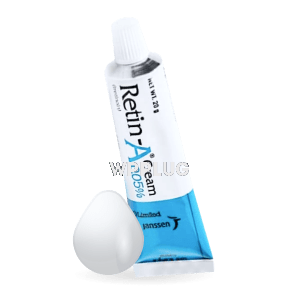
Retin A 0,05
Retin-A (CREAM) is used to improve the appearance and texture of the skin.
| Product dosage: 20g | |||
|---|---|---|---|
| Package (num) | Per tube | Price | Buy |
| 3 | 27.30 $ | 81.90 $ (0%) | 🛒 Add to cart |
| 10 | 17.55 $ | 273.00 $ 175.50 $ (36%) | 🛒 Add to cart |
| 15 | 16.15 $ | 409.50 $ 242.19 $ (41%) | 🛒 Add to cart |
| 20 | 15.44 $
Best per tube | 546.00 $ 308.88 $ (43%) | 🛒 Add to cart |
Synonyms | |||
Similar products
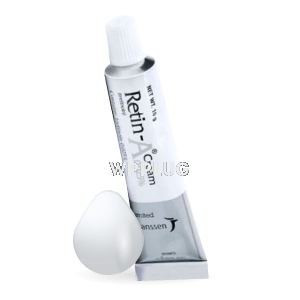
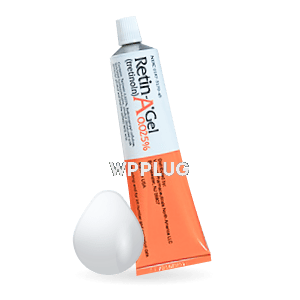
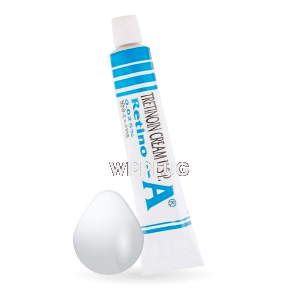
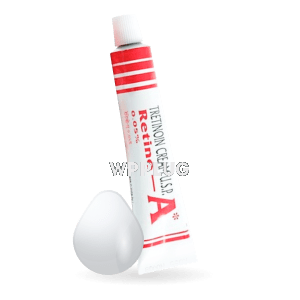
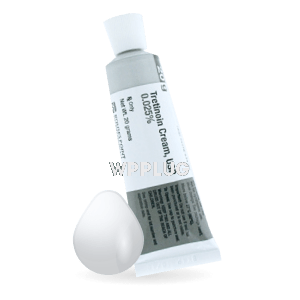
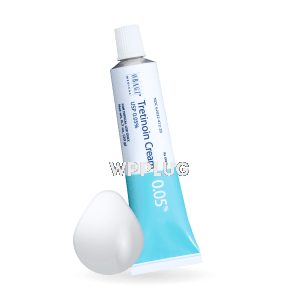
Retin A 0.05%: Advanced Topical Retinoid for Skin Renewal
Retin A 0.05% is a prescription-strength topical tretinoin formulation clinically proven to significantly improve skin texture, tone, and clarity. As a gold-standard retinoid, it accelerates cellular turnover, promotes collagen synthesis, and effectively addresses a spectrum of dermatological concerns from acne vulgaris to photoaging. This concentration offers a potent balance of efficacy and tolerability for patients requiring a step up in treatment intensity under professional supervision. Its mechanism of action targets the root causes of skin imperfections, delivering transformative, visible results over a sustained treatment course.
Features
- Active Ingredient: Tretinoin 0.05% (as all-trans retinoic acid)
- Formulation: Available in cream or gel vehicle
- Concentration: Mid-potency strength (0.05%)
- Prescription Status: Rx-only medication
- Mechanism: Binds to retinoic acid receptors (RARs) in the skin
- Packaging: Typically 20g or 45g tubes with airtight sealing
Benefits
- Dramatically reduces the appearance of fine lines, wrinkles, and coarse photodamage by stimulating neocollagenesis
- Unclogs pores and prevents microcomedone formation, significantly reducing inflammatory and non-inflammatory acne lesions
- Fades hyperpigmentation, sun spots, and post-inflammatory erythema by inhibiting melanin transfer and promoting epidermal uniformity
- Improves overall skin texture and radiance through enhanced desquamation and regeneration of the stratum corneum
- Provides long-term remodeling of the dermal matrix for sustained anti-aging benefits
- Minimizes the appearance of acne scarring through dermal collagen remodeling and surface smoothing
Common use
Retin A 0.05% is primarily prescribed for the treatment of acne vulgaris grades I-III, particularly when comedonal acne predominates and previous lower concentrations have proven insufficient. It is equally indicated for the mitigation of cutaneous photodamage, including fine wrinkling, mottled hyperpigmentation, and tactile roughness of facial skin. Dermatologists may also employ it off-label for improving the appearance of mild atrophic scars, striae distensae, and certain keratinization disorders. The product is intended for nightly application on clean, dry facial skin, though frequency may be adjusted based on individual tolerance.
Dosage and direction
Apply a pea-sized amount of Retin A 0.05% to the entire affected area once daily, preferably in the evening. Begin with application every second or third night for the first 2-3 weeks to assess tolerance before progressing to nightly use. The face should be gently cleansed with a mild, non-abrasive cleanser and patted completely dry before application. Wait 20-30 minutes after washing to ensure skin is fully dry, as application to damp skin increases penetration and potential irritation. Spread the medication evenly in a thin layer, avoiding the eye area (including eyelids), nasolabial folds, and mucous membranes. Morning application of broad-spectrum SPF 30+ sunscreen is mandatory due to increased photosensitivity.
Precautions
Patients should be advised that a “retinization” period of erythema, scaling, and purging may occur during the initial 2-6 weeks of treatment. This represents expected pharmacological activity rather than true intolerance. Concomitant use of other potentially irritating products (e.g., astringents, abrasives, high-concentration AHAs/BHAs, benzoyl peroxide, or alcohol-based preparations) should be avoided unless specifically directed by a dermatologist. Extreme weather conditions (both cold, windy environments and excessive heat/humidity) may exacerbate irritation. Contact with eyes, mouth, angles of the nose, and broken skin should be scrupulously avoided. This medication increases susceptibility to sunburn; protective clothing and photoprotective measures are essential during treatment and for several weeks following discontinuation.
Contraindications
Retin A 0.05% is contraindicated in individuals with known hypersensitivity to tretinoin or any component of the formulation. It should not be used during pregnancy (Category C: animal studies show adverse effects, no adequate human studies) or while breastfeeding. Use is contraindicated in patients with acute inflammatory or eczematous skin conditions, including sunburn, rosacea, perioral dermatitis, or cutaneous infections at the application site. It is not recommended for individuals with a history of photosensitivity disorders or those taking photosensitizing medications without rigorous photoprotection. Concomitant use with other topical retinoids or keratolytics is absolutely contraindicated.
Possible side effect
The most frequently reported adverse reactions are localized cutaneous effects, including erythema (≈65% of patients), peeling/flaking (≈55%), burning/stinging (≈45%), and dryness/tightness (≈70%). These are typically mild to moderate in severity and diminish with continued use. Less common effects include pruritus (≈25%), temporary hyper- or hypopigmentation (≈15%), and photosensitivity reactions (≈20%). Rare cases of contact dermatitis, blistering, crusting, or severe irritation may occur, particularly with overuse or application to compromised skin. Paradoxical acne flare (“purging”) during the initial weeks affects approximately 30% of patients and represents accelerated turnover of pre-existing microcomedones.
Drug interaction
Concurrent use with other topical acne medications (especially benzoyl peroxide, salicylic acid, or sulfur-resorcinol combinations) may result in cumulative irritation and should be carefully monitored. Topical antibiotics like clindamycin may be used concomitantly but applied at different times of day. Caution is required with drugs known to increase photosensitivity, including thiazides, tetracyclines, fluoroquinolones, phenothiazines, and sulfonamides. Retin A may potentiate the irritant effects of abrasive cleansers, soaps, cosmetics with strong drying effects, and products containing alcohol, spices, or lime. Systemic retinoids (e.g., isotretinoin) are absolutely contraindicated for concurrent use.
Missed dose
If a dose is forgotten, apply it as soon as remembered unless it is nearly time for the next scheduled application. Do not apply double the amount to compensate for a missed dose. Resume the regular application schedule with the next dose. Consistent nightly application produces optimal results, but occasional missed doses (1-2 times weekly) will not significantly impact long-term efficacy. Extended periods of non-use (>1 week) may require re-initiation with reduced frequency to re-establish tolerance.
Overdose
Topical overdose manifests as severe erythema, exfoliation, burning, and stinging. Accidental oral ingestion may cause lip swelling, facial edema, abdominal pain, vomiting, and diarrhea. Treatment is supportive: remove topical product with gentle cleansing and apply cool compresses. For oral ingestion, seek immediate medical attention; do not induce vomiting. There is no specific antidote for tretinoin overdose. Systemic toxicity from topical application is exceedingly rare due to minimal percutaneous absorption (<2% of applied dose).
Storage
Store at controlled room temperature (15-30°C or 59-86°F) in the original tube. Keep tightly closed and protect from light. Do not freeze. Keep out of reach of children and pets. The product remains stable for 24 months from manufacturing date when stored properly. Do not use if discoloration or separation occurs. Discard any unused product 3 months after first opening.
Disclaimer
This information is for educational purposes only and does not constitute medical advice. Retin A 0.05% is a prescription medication requiring supervision by a qualified healthcare professional. Individual results may vary based on skin type, condition severity, and adherence to treatment protocol. Not all side effects are listed; consult your dermatologist for complete safety information. Never initiate, modify, or discontinue retinoid therapy without professional medical guidance.
Reviews
“After 16 weeks of consistent use, my moderate acne and post-inflammatory hyperpigmentation have improved approximately 70%. The initial peeling phase was challenging but manageable with proper moisturization. My skin texture has never been smoother.” - Verified patient, 28
“As a dermatologist, I find the 0.05% concentration ideal for patients who have tolerated 0.025% but require enhanced efficacy for persistent comedones and early photodamage. The key is gradual introduction and meticulous sun protection.” - Board-certified dermatologist
“The transformation in my sun-damaged skin after 9 months has been remarkable. Fine lines around my eyes and mouth have significantly softened, and overall skin tone appears more even and luminous. Worth the initial adjustment period.” - Verified patient, 52