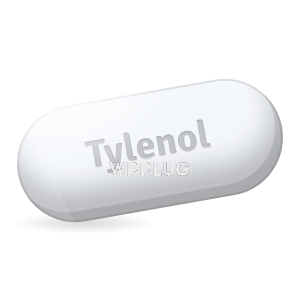
Tylenol
| Product dosage: 500mg | |||
|---|---|---|---|
| Package (num) | Per pill | Price | Buy |
| 180 | 0.29 $ | 51.48 $ (0%) | 🛒 Add to cart |
| 270 | 0.25 $ | 77.22 $ 66.69 $ (14%) | 🛒 Add to cart |
| 360 | 0.22 $
Best per pill | 102.96 $ 79.56 $ (23%) | 🛒 Add to cart |
Synonyms | |||
Tylenol: Effective Pain and Fever Relief
Tylenol (acetaminophen) is a leading over-the-counter analgesic and antipyretic medication trusted by healthcare professionals and patients worldwide. It provides effective relief from mild to moderate pain and reduces fever without the anti-inflammatory effects associated with NSAIDs. Its well-established safety profile and rapid action make it a first-line choice for many common conditions when used as directed.
Features
- Contains acetaminophen as the active pharmaceutical ingredient
- Available in multiple formulations including tablets, caplets, gelcaps, and liquid suspensions
- Rapid absorption and onset of action
- Non-prescription strength available in 325 mg and 500 mg doses
- Does not contain aspirin or other NSAIDs
- Alcohol-free in standard formulations
- Coating designed for easier swallowing where applicable
Benefits
- Provides effective relief from headaches, muscle aches, and minor arthritis pain
- Reduces fever associated with colds and influenza
- Gentle on the stomach compared to NSAID alternatives
- Suitable for patients who cannot take aspirin or ibuprofen
- Minimal drug interactions when used appropriately
- Available without prescription for convenient access
Common use
Tylenol is commonly used for the temporary relief of minor aches and pains associated with headaches, muscle aches, backaches, minor arthritis pain, the common cold, toothaches, and menstrual cramps. It is also effective for reducing fever. Healthcare providers often recommend it as a first-line treatment for pain management in patients with gastrointestinal sensitivities or those taking anticoagulant therapy where NSAIDs would be contraindicated.
Dosage and direction
Adults and children 12 years and older: Take 325-650 mg every 4-6 hours as needed for pain or fever. Do not exceed 3,250 mg in 24 hours unless directed by a healthcare provider. For extended-relief formulations, follow specific product instructions.
Children 6-11 years: Use children’s formulations according to weight-based dosing charts. Typically 10-15 mg per kg body weight every 4-6 hours, not to exceed 75 mg/kg in 24 hours or 5 doses in 24 hours.
Always use the measuring device provided with liquid formulations. Do not crush or chew extended-release tablets. Take with a full glass of water. May be taken with or without food, though taking with food may minimize potential stomach upset.
Precautions
Do not use with other products containing acetaminophen. Patients with liver disease or history of alcoholism should consult a healthcare provider before use. Do not use for more than 10 days for pain or 3 days for fever unless directed by a physician. Stop use and consult a doctor if pain worsens or persists beyond 10 days, fever persists beyond 3 days, or new symptoms occur. Keep out of reach of children. Do not use if packaging is tampered with or broken.
Contraindications
Contraindicated in patients with severe hepatic impairment or active liver disease. Not recommended for patients with severe renal impairment (CrCl <30 mL/min). Hypersensitivity to acetaminophen or any component of the formulation. Should not be used by individuals who consume three or more alcoholic drinks daily without medical consultation.
Possible side effect
When used as directed, side effects are rare. Possible adverse reactions may include allergic reactions (rash, hives, itching), nausea, vomiting, stomach pain, loss of appetite, sweating, pale skin, unusual tiredness, or dark urine. Serious side effects are uncommon but may include hepatotoxicity with overdose, thrombocytopenia, agranulocytosis, or anaphylactic reactions in sensitive individuals.
Drug interaction
May interact with warfarin, increasing anticoagulant effect with prolonged high-dose use. Concurrent use with other hepatotoxic drugs (including certain anticonvulsants, antibiotics, and antituberculosis drugs) may increase risk of liver damage. Alcohol consumption increases risk of hepatotoxicity. May interact with isoniazid, increasing potential for liver damage. Cholestyramine may decrease absorption if taken simultaneously.
Missed dose
As Tylenol is taken as needed for pain or fever relief, missing a dose is not typically concerning. Simply take the next dose when needed, following the recommended time interval between doses. Do not double dose to make up for a missed administration.
Overdose
Acetaminophen overdose can cause serious liver damage, which may be fatal. Early symptoms of overdose may include nausea, vomiting, sweating, and general malaise. Later symptoms may include right upper quadrant pain, jaundice, and confusion. In case of suspected overdose, seek immediate medical attention or contact a poison control center immediately, even if no symptoms are present. Treatment may include N-acetylcysteine administration, which is most effective when initiated within 8 hours of ingestion.
Storage
Store at room temperature (20-25°C or 68-77°F). Keep container tightly closed. Protect from excessive moisture and light. Do not store in bathroom medicine cabinet due to humidity fluctuations. Keep all medications out of reach of children and pets. Properly discard expired or unused medication according to local guidelines.
Disclaimer
This information is for educational purposes only and does not constitute medical advice. Always consult with a healthcare professional before starting any new medication or treatment regimen. Follow package instructions and do not exceed recommended dosages. The manufacturer is not liable for improper use or misinterpretation of this information.
Reviews
Clinical studies and patient reports consistently demonstrate Tylenol’s effectiveness for pain and fever management. In randomized controlled trials, acetaminophen has shown significant superiority over placebo for acute pain relief. Patient satisfaction surveys indicate high levels of effectiveness for headache and musculoskeletal pain relief. Healthcare providers frequently recommend Tylenol as a first-line analgesic due to its favorable safety profile when used appropriately. Long-term observational studies support its position as one of the most widely used and trusted analgesics worldwide.